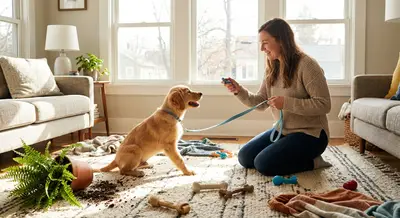
Training As a Love Language: Raising Pets Who Trust and Listen
Training isn’t about “fixing” a pet—it’s about building a shared language. When you shift from command-and-control to connection and communication, your pet doesn’t just behave better; they feel safer, more confident, and more bonded to you. Whether you live with a bouncy puppy, a cautious rescue dog, a curious cat, or a small pet like a rabbit or parrot, thoughtful training can turn everyday moments into opportunities for trust.
This guide focuses on practical, real-life training that fits into busy routines and honors your pet’s emotional needs as much as their manners.
Understanding How Your Pet Learns
Before you teach cues like “sit” or “come,” it helps to know what’s actually happening in your pet’s brain when they learn.
Most companion animals learn in three main ways:
- Association (classical conditioning): Your pet connects one thing with another. For example, leash + door opening often means “walk,” so excitement builds as soon as you touch the leash. If the vacuum always appears right before scary noise, your pet may tense up just seeing it.
- Consequence (operant conditioning): Behaviors followed by something your pet likes (treats, play, praise, access to the couch) become more likely to happen again. Behaviors followed by something they dislike tend to fade—though fear-based methods can also damage trust.
- Observation and repetition: Pets watch what “works” for them and repeat it. If meowing at 5 a.m. gets the food bowl filled, your cat just learned a powerful morning routine.
Two key mindset shifts:
- Your pet isn’t being “stubborn”; they’re being effective. They repeat whatever behavior gets them what they want—or helps them feel safer.
- Emotions drive behavior. A barking dog might be scared, excited, or frustrated. A cat hiding under the bed may look aloof but feel overwhelmed. When you address the emotion, the behavior often changes more easily.
When you see behavior as information instead of defiance, you’ll find more compassionate and effective ways to train.
Building a Foundation of Safety and Routine
Training only “sticks” when your pet’s basic needs are met. Think of safety and predictability as the soil that lets good habits grow.
Key foundations to put in place:
- Consistent daily rhythm: Similar wake times, meal times, walk/play times, and rest periods help reduce anxiety. Pets learn when to expect food, fun, and quiet—and are less likely to act out from confusion or boredom.
- A safe retreat space: A crate, bed, cat tree, or quiet corner where your pet can rest undisturbed. This is not a punishment zone; it’s a “bedroom,” not a “time-out chair.”
- Meeting species-specific needs:
- Dogs: sniffing walks, chewing options, social interaction, movement
- Cats: vertical space, scratching posts, hunting-style play, hiding spots
- Small pets: appropriate enrichment (tunnels, chew toys, foraging), enough space to explore
- Health check: Sudden behavior changes—growling, litter box issues, accidents, snapping, hiding—sometimes signal medical problems rather than training gaps. Rule out pain and illness with your vet before framing it as “bad behavior.”
A pet who feels safe and knows what to expect is more available to learn—and less likely to resort to stress-driven behaviors.
Choosing Rewards That Truly Motivate Your Pet
Positive reinforcement doesn’t mean “only treats, all the time.” It means finding what your pet cares deeply about and using it thoughtfully.
Common rewards include:
- Food rewards: Small, soft, high-value treats (tiny bits of chicken, cheese, commercial training treats) are usually best for training sessions.
- Play: Tug, fetch, chase-the-feather, or a quick pounce on a favorite toy can be as valuable as a treat for some pets.
- Access to life rewards: Going outside, greeting visitors, jumping on the couch, sniffing a tree, exploring a new room. You can ask for a simple behavior (“sit,” “touch,” or calm pause) before allowing these things.
- Social rewards: Verbal praise, gentle petting, or simply being near you. Some pets find this rewarding, others are more indifferent in the moment of training.
To choose effective rewards:
- Test a “treat ladder.” Offer different treats and see what your pet picks first. Top choices become your “gold-level” rewards for harder training challenges.
- Rotate rewards. A mix of food, play, and access keeps your pet engaged and prevents boredom.
- Match reward to difficulty. Simple behaviors in low-distraction spaces can earn lower-value treats or praise; scary or distracting situations deserve the tastiest, most exciting rewards.
When rewards are tailored to your pet, training becomes a game they’re eager to play, not a chore you have to force.
Turning Everyday Moments Into Training Opportunities
You don’t need hour-long training blocks to make progress. Short, consistent moments woven into daily life are more powerful than rare “marathon” sessions.
Here’s how to turn your routine into a training plan:
- Mealtimes as training sessions: Ask for a simple cue like “sit,” “wait,” or a nose target to your hand before placing the bowl down. This builds impulse control and clearer communication.
- Doorways as practice zones: Before going out for a walk, wait for a brief moment of calm—four paws on the floor, eye contact, or quiet—then open the door as the reward.
- Couch or bed access: Instead of your pet jumping up whenever they want, invite them up after a cue (“up” or “on”) and a calm moment. This doesn’t mean denying comfort; it just adds structure and prevents pushy or unsafe jumping.
- Car rides or carrier time: Reward calm steps toward the car or carrier, short stays inside, and quiet riding. This transforms dreaded experiences into easier ones over time.
Aim for 3–5 mini-sessions per day, 1–5 minutes each. End while your pet is still interested and successful, rather than pushing until they’re tired or frustrated.
Teaching Calmer Behavior Without Punishment
Many “problem” behaviors—jumping, barking, pawing, meowing, chewing—are simply your pet’s way of saying, “I need something.” You can teach calmer ways to ask without scaring or shaming them.
Core strategies:
- Reinforce what you like, not just what you dislike. If your dog is lying quietly on the mat or your cat is scratching the post, drop a treat nearby. Don’t wait for misbehavior to pay attention.
- Replace, don’t just forbid.
- If your dog jumps to greet people, first reward four paws on the floor or sitting before they get attention.
- If your cat scratches the couch, place a sturdy scratching post right beside it and reward every use.
- Use “settle” or “go to your spot.”
- Teach your pet that lying on a mat or bed earns rewards when guests arrive, during dinner, or while you work. Start by rewarding any interaction with the mat (looking at it, stepping on it, lying down), then gradually add duration and mild distractions.
- Manage the environment.
- Baby gates, tethers (used safely and briefly), closed doors, or covered windows can prevent practice of unwanted behaviors while you teach better alternatives.
Punishment (yelling, leash jerks, spray bottles, shock or prong collars) may stop behavior in the moment but often increases fear or anxiety—and can create new problems, especially aggression. Calm, consistent guidance builds lasting habits and emotional stability.
Helping Anxious or Reactive Pets Feel More Secure
Some pets bark, growl, lunge, hiss, or hide not because they’re “bad,” but because they’re overwhelmed. These pets need both behavior change and emotional support.
Supportive approaches:
- Work under their threshold. Train at a distance or intensity where your pet notices the trigger (person, dog, noise, object) but can still think and take treats. Too close or intense, and learning shuts down.
- Pair the trigger with something wonderful. When your dog sees another dog at a distance, or your cat hears a scary noise, calmly offer high-value treats or play. Over time, “scary thing = good stuff” can shift their emotional response.
- Short, positive exposures. Several quick, successful practices are more helpful than one long, overwhelming session.
- Create predictable “safe routines.” A known pattern—like stepping away, looking at you, and earning a treat—gives your pet a script to follow when they feel unsure.
If your pet’s anxiety is intense, getting worse, or involves biting, self-harm, or severe distress, it’s time to involve a veterinarian and a qualified behavior professional. Anxiety is not a training failure; it’s a welfare issue that deserves expert support.
Training for Vet Visits and Grooming Without the Struggle
Medical care and grooming are essential, but many pets find them stressful. Training “cooperative care” skills can make these experiences safer and kinder for everyone.
Helpful skills to practice at home:
- Handling practice: Slowly and gently pair touching ears, paws, tail, mouth, and belly with yummy treats. Start with very brief touches and build up over time.
- Muzzle or cone training (for dogs): Teach your dog to voluntarily place their nose into a muzzle by smearing soft food inside. Reward heavily; a muzzle trained this way becomes a safety tool, not a punishment.
- Carrier confidence (for cats and small pets): Leave the carrier out as a cozy den with soft bedding and treats. Feed meals near or inside. Gradually add the door closing, short lifts, then very short car trips with extra rewards.
- Stationing (“stay on the mat or platform”): Teach your pet to remain on a specific spot while you do brief handling or pretend exam steps, with treats appearing frequently.
The goal isn’t to make vet visits your pet’s favorite thing, but to move from sheer panic to manageable stress—and to give your pet a voice. Some cooperative care protocols even teach pets “consent” behaviors (like resting their chin in your hand) that you agree to respect by pausing if they move away.
Adapting Training for Different Species and Personalities
Training isn’t just for dogs, and it’s never one-size-fits-all. Your pet’s species, breed, age, and unique personality should shape your approach.
- Dogs: Many enjoy structured training games, sniffing tasks, and social interaction. Working or herding breeds may need more mental and physical challenge to prevent frustration.
- Cats: Prefer short sessions, freedom of choice, and minimal restraint. Clicker training with tiny treats or play can teach them to come when called, use a scratching post, or accept handling more calmly.
- Rabbits, guinea pigs, and other small pets: Can learn to target (touch a stick or your hand), come when called, or move into a carrier for transport. Gentle, quiet environments and very small food rewards work best.
- Birds: Often thrive on training that offers control and mental stimulation. Target training, step-up cues, and recall can make handling safer and enrich their day.
Even within a species, personalities vary:
- Bold, high-energy pets may need more impulse-control games and mental work.
- Sensitive, cautious pets may need slower progress and extra reassurance.
- Seniors or pets with disabilities may need modified cues and kinder expectations—but can still learn and enjoy training.
When you adapt your methods to who your pet really is, training feels respectful instead of forceful.
When to Ask for Professional Help
There’s no shame in needing support; in fact, reaching out early often prevents problems from escalating.
Consider consulting a professional if:
- Your pet has bitten, snapped, or seriously threatened a person or another animal.
- Fear, anxiety, or aggression is frequent, intense, or worsening.
- House-soiling or destructive behavior continues despite consistent training and a vet check.
- You feel overwhelmed, frustrated, or unsure how to proceed.
Look for:
- Credentials and transparency: Certifications such as IAABC, CCPDT, KPA, AVSAB membership, or veterinary behavior specialty indicate formal education.
- Methods based on positive reinforcement: Avoid trainers who rely on tools or techniques that cause fear or pain.
- Willingness to coordinate with your veterinarian, especially for complex behavior or suspected anxiety disorders.
A good trainer or behaviorist will coach you as much as your pet, giving you skills and confidence to continue progress at home.
Conclusion
Training is one of the most powerful ways to say “I love you” in a language your pet can understand. It’s not about perfection or obedience; it’s about creating a shared rhythm to daily life where your pet feels safe, understood, and guided rather than controlled.
By focusing on emotional well-being, using rewards that matter to your pet, and turning ordinary moments into gentle training opportunities, you build more than good manners—you build trust. And that trust becomes the foundation for every walk, vet visit, cuddle session, and quiet night at home you’ll share together.
If your journey feels messy sometimes, you’re not failing—you’re learning alongside your pet. With patience, curiosity, and kind methods, you can raise an animal who listens not because they’re afraid, but because they feel deeply connected to you.
Sources
- American Veterinary Society of Animal Behavior (AVSAB) – Position Statement on Humane Dog Training - Summarizes science-based guidelines on reward-based training and the risks of punishment
- American Kennel Club – Positive Reinforcement Training - Explains how and why positive reinforcement works, with practical examples for dog owners
- RSPCA – Understanding Your Pet’s Behaviour - Offers welfare-focused guidance on behavior, stress, and kind training approaches for multiple species
- Cornell University College of Veterinary Medicine – Fear, Anxiety, and Phobias in Pets - Covers how fear and anxiety develop in pets and outlines behavior and treatment options
- University of California Davis – Cooperative Veterinary Care Resources - Provides information on training animals to participate more comfortably in veterinary and husbandry procedures