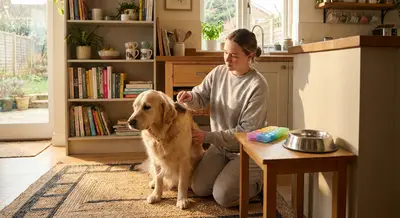
The Hidden Rhythm of Your Dog’s Day: Routines That Build Trust
Life with a dog isn’t just about walks and wagging tails—it’s about building a daily rhythm that helps your pup feel safe, understood, and deeply connected to you. A well-balanced routine can ease anxiety, prevent behavior problems, and support your dog’s physical and emotional health for years.
This guide focuses on one powerful idea: shaping your dog’s everyday life so it works with their natural instincts, instead of against them.
Why Predictability Feels Like Love to Your Dog
Dogs don’t read calendars, but they are excellent pattern spotters. When your dog can predict what comes next, their nervous system relaxes. That sense of “I know what’s coming” is incredibly soothing, especially for sensitive or anxious pups.
A predictable rhythm:
- Lowers stress hormones and supports better sleep
- Reduces barking, pacing, and destructive chewing caused by frustration
- Makes training easier because your dog is calmer and more focused
- Builds trust—your dog learns that you consistently meet their needs
This doesn’t mean your day has to be rigid or timed to the minute. Instead, think in blocks: morning, midday, evening, and bedtime. Within each block, anchor your dog’s world around a few repeating touchpoints: food, movement, mental work, rest, and connection.
Designing a Morning That Sets Your Dog Up for Success
Mornings quietly shape the whole day. A dog who starts the day under-exercised and overstimulated is more likely to be restless, barky, or grabby later on.
Key elements of a balanced morning:
Calm, consistent greeting
Before the excited squeals and cuddles, take a beat. Stand or kneel, speak softly, and let your dog come to you. This teaches them that mornings start calm—not as a daily “launch party.”First potty, then play
Take your dog out promptly, especially puppies and seniors. Let them sniff and move their body before you ask for anything else. This alone can prevent indoor accidents and early-morning whining.Movement that matches the dog, not the clock
- Young, athletic dogs may need a brisk walk, sniffari, or fetch in a safe area.
- Seniors and brachycephalic breeds (like Pugs and Bulldogs) often do better with gentle, shorter walks.
Focus on quality of movement, not distance. Ten minutes of calm, sniffy walking can be more satisfying than a rushed 30-minute power walk.
Breakfast with a job attached
Instead of dumping food in a bowl, turn breakfast into a simple activity:- Use a snuffle mat or scatter kibble over a safe surface for foraging.
- Stuff part of their meal into a puzzle feeder.
This taps into natural hunting and problem-solving instincts and helps prevent boredom-related behavior later in the day.
A clear transition to “rest mode”
After breakfast and a bit of interaction, guide your dog to a comfortable spot with a chew or toy. Many dogs settle more easily if you pair rest time with a consistent cue like “all done” or “time to rest” and dimmer lights or quieter sounds.
Midday Balance: Supporting Dogs While You’re Busy
For many households, midday is when people are at work or focused on tasks. Dogs, however, still have needs—especially puppies, adolescents, and active breeds.
If you’re home during the day
Build in a gentle “middle-of-the-day reset”:
- A short potty and stretch break
- A few minutes of simple training (sit, down, hand-targeting, or loose-leash practice)
- A calm enrichment activity like a frozen lick mat or chew
Keep it low-key. Midday doesn’t have to be high-energy; think “mental snack” rather than a full workout.
If you’re away from home
Your dog’s day still has a rhythm—you’re just designing it in advance.
Helpful strategies:
Scheduled potty and exercise support
- Hire a dog walker or use a reputable daycare (for social, well-matched dogs).
- For small breeds or older dogs, a single midday break often makes a big difference in comfort and bladder health.
Smart alone-time setup
Create a safe, predictable space:- A crate or gated area with a comfortable bed
- Access to fresh water at all times
- Safe chew items or puzzle toys rotated regularly
Consider leaving on soft background sound (classical music or talk radio) to help mask outside noises that might trigger barking.
Guardrails against boredom and anxiety
Over-reliance on high-adrenaline toys or constant video monitoring can backfire. Instead:- Offer calm enrichment (lick mats, long-lasting chews) rather than only high-excitement play.
- If you use cameras, check in for patterns, not to hover—look for signs of stress like pacing, howling, or nonstop barking and bring concerns to your vet or a behavior professional.
Evenings: Transitioning From High-Energy to Deep Rest
Evenings are when many dogs get the bulk of their human time—and often, the bulk of their unintentional overstimulation.
A supportive evening rhythm usually includes:
Movement that takes the edge off, not ramps it up
High-intensity ball-chasing right before bed can leave some dogs wired, not tired. Instead:- Combine a walk with sniffing, decompression time, and light training.
- Play chase or tug early in the evening, then shift to calmer activities as bedtime approaches.
Gentle training woven into daily tasks
Use daily moments as training opportunities:- Ask for a sit before clipping on the leash.
- Practice “wait” before dinner is set down.
- Reinforce “go to your bed” when guests arrive.
This builds manners without marathon training sessions and helps your dog understand what’s expected in real-life scenarios.
Family time with structure
In multi-person households:- Agree on shared rules (can the dog be on the couch? Are table scraps allowed?).
- Teach kids to read basic dog signals (lip licking, turning away, stiff body) and to give space when the dog retreats to their bed.
This consistency prevents confusion and stress for your dog—and avoids many preventable bites.
Wind-down rituals
Just like toddlers, many dogs benefit from a clear bedtime pattern:- Last potty trip at roughly the same time each night
- Lights dimmed, TV volume lowered
- A calm chew in their bed or crate
Over time, your dog will start to anticipate and settle more easily as these cues repeat.
Sleep, Rest, and the Power of Doing “Nothing”
A surprising number of behavior issues are fueled by one simple problem: chronic overtiredness. Many dogs, especially young or high-drive breeds, are under-rested even when they seem “hyper.”
Healthy adult dogs may sleep 12–14 hours a day; puppies and seniors may need 18–20 hours including naps.
To support deep, restorative rest:
Create at least one “no-interruption” sleep zone
A quiet corner, covered crate, or separate room where visitors and kids know not to disturb the dog when they’re resting.Respect natural nap patterns
After walks, training, or social visits, give your dog structured quiet time instead of bouncing them into another activity.Watch for red flags of sleep deprivation
- Overreacting to small triggers
- Seeming unable to settle without constant attention
- Increased mouthing, barking, or zoomies at night
If you notice these patterns, try protecting more daytime rest before assuming your dog “needs more exercise.”
Building Flexibility Without Losing the Routine
Life is messy—travel, holidays, visitors, and schedule changes are inevitable. The goal isn’t perfection; it’s teaching your dog that the shape of their day is reliable, even if the exact timing changes.
You can build this flexibility by:
Using consistent cues
Phrases like “all done,” “time to rest,” or “outside” help your dog understand what’s happening across different locations and routines.Keeping core needs steady
Even on hectic days, aim to preserve:- Regular access to potty breaks
- At least some movement and mental engagement
- A familiar sleep setup when possible (their own bed or blanket, even while traveling)
Adjusting slowly where you can
If you need to change feeding or walk times, shift in small steps over several days to allow your dog’s body and expectations to adapt.
When Your Dog’s Rhythm Signals a Bigger Problem
Sometimes changes in your dog’s daily patterns are your first clue that something more serious is going on.
Contact your veterinarian if you notice:
- A sudden, obvious change in sleep (restlessness at night, pacing, or vocalizing)
- Marked changes in appetite or thirst
- New house-soiling after being reliably housetrained
- Reluctance to walk, climb stairs, or jump onto furniture
- Drastic shifts in energy—lethargy or unusual agitation
Behavior always has a cause. Your vet can help rule out or treat medical issues, and a qualified trainer or behavior professional can then support you with any remaining emotional or behavioral concerns.
Conclusion
Your dog experiences the world through patterns—when food appears, when you return home, how walks feel, where they’re allowed to rest, how you respond to their needs. By thoughtfully shaping the rhythm of their day, you’re doing far more than just “managing” a pet: you’re building a foundation of safety, trust, and quiet confidence.
You don’t need a perfect schedule. You just need a kind, consistent one that respects who your dog is, what their body needs, and how their mind works. Over time, that steady rhythm becomes one of the clearest ways you can say, every single day: “You’re safe here. You belong here. I’ve got you.”
Sources
- American Veterinary Medical Association – Dog Care Basics – Overview of core dog care needs including exercise, nutrition, and veterinary care.
- American Kennel Club – How Much Sleep Do Dogs Need? – Explains normal canine sleep patterns and how age and lifestyle affect rest.
- Cornell University College of Veterinary Medicine – Dog Behavior Problems – Describes behavior changes that can signal stress or medical issues and when to seek help.
- Ohio State University Veterinary Medical Center – Enrichment for Dogs – Practical ideas and guidelines for mental and physical enrichment in daily life.
- U.S. Centers for Disease Control and Prevention – Healthy Pets, Healthy People: Dogs – Covers general health, safety, and disease-prevention information for dogs and their families.