Dog Care 101: Daily Habits That Help Your Pup Thrive
Caring for a dog is about much more than food and walks—it’s about building a life together where your pup feels safe, healthy, and loved. Whether you just brought home your first dog or you’ve shared your couch with furry best friends for years, a few core daily habits make the biggest difference. This guide breaks dog care down into practical, easy-to-follow routines you can start today.
Building a Healthy Daily Routine
Dogs feel safest when life is predictable. A simple, consistent routine reduces anxiety and makes training, feeding, and exercise easier for both of you.
Aim for:
- Regular feeding times (usually 1–2 times per day for adults, 3–4 for puppies).
- Walks at similar times each day so your dog knows when to expect bathroom breaks.
- Designated rest periods, especially for puppies, who need lots of sleep.
- Built-in play or training sessions, even if they’re just 10–15 minutes.
Consistency helps regulate digestion, energy, and behavior. Many problem behaviors (chewing, barking, accidents) improve when dogs know when they’ll eat, go out, and have your attention.
Try posting a simple schedule on your fridge: morning potty + walk, breakfast, mid-day break, late afternoon play/walk, dinner, and a short bedtime outing. This helps everyone in the household stay on the same page.
Nutrition: Feeding for Long-Term Health
What you put in your dog’s bowl shows up in their coat, energy, weight, and even behavior. You don’t need a complicated diet, but you do need a high-quality, balanced dog food matched to your dog’s life stage and health needs.
Key nutrition tips:
- Choose life-stage appropriate food
- Puppy: higher calories and nutrients for growth
- Adult: maintenance formula
- Senior: often lower calories, joint-support ingredients
- Check the label: Look for a statement like “Formulated to meet the nutritional levels established by AAFCO…”—this indicates complete and balanced nutrition.
- Avoid constant free-feeding: Measured meals help prevent obesity and let you notice quickly if your dog loses appetite.
- Use treats wisely: Treats should generally be no more than 10% of daily calories. Swap some store-bought treats for small pieces of carrot, green bean, or plain cooked chicken (no seasoning).
- Be strict about unsafe foods: Grapes/raisins, chocolate, xylitol (in sugar-free gum/candy), onions, garlic, alcohol, and some artificial sweeteners are dangerous for dogs.
If you’re considering a homemade, raw, or special diet, talk to your vet first. Many well-intentioned homemade diets are incomplete unless carefully designed by a veterinary nutritionist.
Exercise and Mental Enrichment
A tired mind and body make for a calmer, happier dog. Exercise needs vary by age, breed, and health, but every dog needs both physical and mental activity.
Physical exercise ideas:
- Daily walks: Most healthy adult dogs do well with at least 30–60 minutes a day, split into 1–3 walks.
- Fetch or tug in a safe area.
- Off-leash running in secure, fenced spaces (or long-line leashes in open areas where allowed).
- Low-impact play for seniors and short-nosed breeds (shorter walks, gentle games).
Mental enrichment is just as important:
- Puzzle feeders or snuffle mats to make mealtime a brain game.
- Training sessions using positive reinforcement—practice sit, stay, recall, or fun tricks.
- Scent games, like hiding treats around a room for your dog to find.
- Safe chew items (vet-approved chews, stuffed Kongs) to satisfy natural chewing needs.
Watch for over-exercise, especially in puppies and large-breed dogs whose joints are still developing. Heavy running or jumping on hard surfaces for young dogs can contribute to joint problems later.
Training and Socialization: Setting Your Dog Up for Success
Training isn’t just about commands; it’s about teaching your dog how to feel and act in our human world. The most effective training is consistent, reward-based, and kind.
Core training principles:
- Reward what you like: Treats, toys, and praise when your dog does something right.
- Manage what you don’t like: Use baby gates, crates, leashes, and supervision to prevent bad habits (like chewing shoes) from developing.
- Keep sessions short and fun—5–10 minutes, a few times a day.
- Be consistent with words and rules. If “off” means “get off the furniture,” everyone in the household should use the same word.
Essential skills to teach:
- Name recognition: Your dog turns toward you when you say their name.
- Sit and stay: Helpful for greetings, mealtimes, doorways.
- Loose-leash walking: So walks are enjoyable for you both.
- Reliable recall (“come”): A safety must-have.
Socialization is critical, especially between 3–16 weeks of age. Expose puppies gently to:
- Different people (ages, appearances, voices)
- Other friendly, vaccinated dogs
- Common sounds (doorbells, traffic, vacuum)
- Car rides, vet visits, grooming
Always pair new experiences with treats, play, and calm reassurance. For adult or fearful dogs, go slower and consider working with a positive-reinforcement trainer or behaviorist.
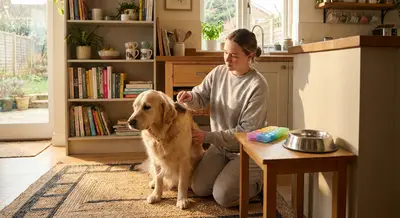
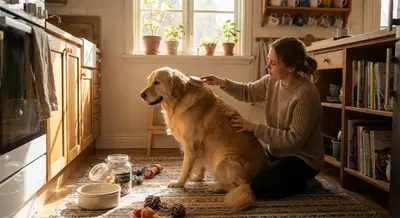
Grooming and At-Home Health Checks
Regular grooming keeps your dog comfortable and gives you a chance to spot health issues early.
Core grooming tasks:
- Brushing
- Short coats: 1–2 times per week.
- Long or double coats: several times a week (or daily) to prevent mats.
- Bathing
- Usually every 4–8 weeks, depending on lifestyle and skin. Use dog-specific shampoo, not human products.
- Nail trims
- About every 3–4 weeks, or as needed. Nails should not click loudly on hard floors.
- Ear care
- Check weekly for redness, bad odor, or discharge. Clean only as directed by your vet with dog-safe ear cleaner.
- Dental care
- Brush teeth daily or several times per week with dog-specific toothpaste. Dental chews and vet-recommended products can help but don’t replace brushing.
During grooming, do a quick health scan:
- Run your hands along your dog’s body to feel for lumps, scabs, or sore spots.
- Check eyes (clear, bright, not red or cloudy).
- Look at gums (pink, moist, no strong odor).
- Watch for changes in weight, coat quality, or energy—these can be early signs of illness.
If anything looks or feels off, jot down notes and contact your veterinarian.
Veterinary Care and Preventive Health
Regular vet care prevents many serious problems and saves money and heartache long-term.
Work with your vet to stay current on:
- Vaccinations: Core vaccines usually include rabies, distemper, parvovirus, and others depending on region and lifestyle.
- Parasite prevention: Monthly or seasonal preventives for fleas, ticks, and heartworm are crucial in many areas.
- Spay/neuter: Discuss timing and pros/cons with your vet based on breed and health.
- Annual (or semi-annual for seniors) wellness exams: Even healthy dogs should see the vet at least once a year.
Call your vet promptly if you notice:
- Not eating for more than 24 hours (or any change in appetite in a puppy or small dog)
- Vomiting or diarrhea that’s persistent or severe
- Labored breathing, coughing, or collapse
- Straining to urinate/defecate or blood in urine/stool
- Sudden behavior changes (lethargy, aggression, confusion)
For any suspected poisoning (like eating chocolate, grapes, medications, or unknown substances), contact your vet or an animal poison hotline immediately.
Emotional Wellbeing and Bonding
Dogs are social animals who need connection, not just care. Their emotional health is deeply tied to time spent with their humans.
Ways to support your dog’s emotional wellbeing:
- Daily one-on-one time: Put your phone away and focus just on your dog—petting, playing, or simply sitting together.
- Safe spaces: Provide a comfy bed or crate where your dog can relax undisturbed.
- Clear communication: Use calm, consistent cues and routines. Avoid yelling or punishment; it can increase fear and anxiety.
- Alone-time training: Help your dog learn to be alone gradually, pairing short departures with treats and calm returns to reduce the risk of separation anxiety.
- Read their body language: Learn signs of stress (lip licking, yawning, turning away, tail tucked, ears back) and give your dog space when they’re uncomfortable.
The strongest bonds grow from trust: your dog learns that you’re predictable, kind, and safe. That trust makes everything—from vet visits to new environments—easier.
Conclusion
Dog care doesn’t have to be complicated. Focus on the foundations: a consistent routine, balanced nutrition, daily exercise and enrichment, kind training, regular grooming, and preventive vet care. Layer in patience, empathy, and time together, and you’re giving your dog exactly what they need: a life that’s not only healthy, but happy and deeply connected to you.
Sources
- American Veterinary Medical Association – Dog Care - Overview of essential dog care, including nutrition, grooming, and preventive health
- American Kennel Club – Responsible Dog Ownership - Guidance on training, socialization, and everyday responsibilities of dog owners
- Cornell University College of Veterinary Medicine – Canine Nutrition - Evidence-based information on pet nutrition and choosing appropriate diets
- Centers for Disease Control and Prevention – Healthy Pets, Healthy People - Information on staying healthy with dogs, vaccinations, and parasite prevention
- Humane Society of the United States – Dog Care Basics - Practical tips on daily care, grooming, and creating a safe home environment