Everyday Dog Care Made Simple: A Practical Guide for Busy Pet Parents
Life is busy—but your dog still needs more than full food bowls and quick walks. Thoughtful, consistent care is what keeps dogs healthy, confident, and deeply bonded to you. This guide breaks dog care into realistic, everyday habits you can actually keep up with, even on a packed schedule.
Building a Daily Care Routine Your Dog Can Count On
Dogs thrive on predictability. A regular routine lowers stress, reduces problem behaviors, and helps your dog feel secure.
Aim to keep these daily anchors roughly consistent:
- Feeding times: Most adult dogs do well with two meals per day, about 10–12 hours apart. Puppies may need 3–4 smaller meals. Feed in the same spot and at roughly the same times.
- Bathroom breaks: Many adult dogs need to go out at least 3–5 times a day. Puppies and seniors may need more frequent opportunities.
- Exercise and play: Block out at least 30–60 minutes per day for physical activity, broken into multiple shorter sessions if needed.
- Calm “down time”: Dogs also need rest. Create a quiet spot with a bed or crate where your dog can retreat and not be disturbed.
Build your routine around your real life: if mornings are hectic, plan longer walks or play sessions in the evening. Consistency matters more than perfection. When you must change the routine, shift gradually—especially around mealtimes and potty breaks—to avoid stress and accidents.
Nutrition Basics: Feeding for Health, Not Just a Full Belly
Good nutrition supports everything from your dog’s immune system to their coat and joint health.
Key tips:
- Choose a complete and balanced diet: Look for foods that meet AAFCO (Association of American Feed Control Officials) standards for your dog’s life stage (puppy, adult, senior). This should be stated on the label.
- Match food to life stage and size:
- Puppies: formulas with appropriate nutrients for growth
- Large-breed puppies: special formulas to support slow, steady growth
- Seniors: may benefit from foods formulated for joint, kidney, or weight support
- Watch calories and body condition: You should feel ribs easily under a thin layer of fat and see a slight waist when viewed from above. Adjust portions if your dog is gaining or losing weight unintentionally.
- Go easy on treats: Treats should generally be no more than about 10% of daily calories. Use their kibble as training rewards if weight is a concern.
- Avoid dangerous foods: Common hazards include chocolate, xylitol (in sugar-free gums and some peanut butters), grapes/raisins, onions, garlic, alcohol, and some artificial sweeteners. When in doubt, don’t risk it.
If your dog has chronic issues like itchy skin, ear infections, chronic diarrhea, or frequent vomiting, discuss diet with your veterinarian. They may recommend a prescription diet or allergy trial to pinpoint triggers.
Exercise and Enrichment: More Than Just a Walk Around the Block
Physical activity and mental stimulation are just as important as good food. Bored dogs often turn to chewing furniture, barking, or escaping simply because they don’t have enough to do.
Aim to combine:
Physical exercise (daily):
- Brisk walks, jogs, or hikes appropriate for your dog’s age and health
- Fetch, tug, or flirt pole games in a safe area
- Off-leash play in secure, fenced spaces (or legal, well-managed dog parks for social, confident dogs)
Mental enrichment (several times a week, ideally daily):
- Food puzzles and slow feeders that make your dog “work” for meals
- Short training sessions (3–10 minutes) teaching new cues or tricks
- Scent games: scatter kibble in the yard or home for your dog to sniff out, or hide treats in boxes
- DIY activities: cardboard “sniff boxes,” towel-roll treat wraps, or frozen stuffed KONG–style toys
Tailor exercise to your dog:
- Puppies: multiple short play sessions instead of long runs; their joints are still developing.
- Brachycephalic (short-nosed) breeds like pugs and bulldogs: avoid heavy exercise in heat; watch for breathing trouble.
- Seniors: gentler, more frequent walks and low-impact games can keep joints moving without overdoing it.
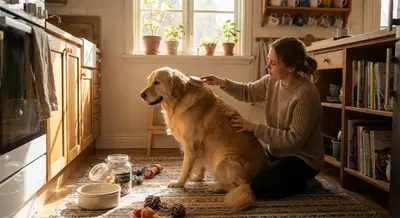
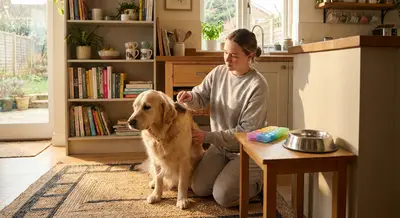
Grooming Essentials: Skin, Coat, Nails, and Teeth
Regular grooming isn’t just about looks—it’s early health detection and comfort care.
Brushing:
- Short coats: once or twice a week usually suffices.
- Long or double coats: several times a week to prevent mats and reduce shedding.
- Use grooming time to check for lumps, bumps, sores, redness, parasites, or tender spots.
Bathing:
- Many dogs do well with a bath every 4–8 weeks, or as needed if dirty or smelly.
- Use dog-specific shampoo; human products can disrupt skin pH and cause irritation.
- Thoroughly rinse and dry, especially in skin folds and between toes.
Nails:
- Trim every 3–6 weeks, or as often as needed so the nails don’t touch the ground when your dog stands.
- If you’re nervous about trimming, ask your veterinarian or groomer for a demo; consider a nail grinder for more gradual shortening.
Ears:
- Check weekly, especially in floppy-eared or allergy-prone dogs.
- Healthy ears are pale pink inside, with no strong odor and minimal wax.
- Clean only with veterinarian-approved solutions and never insert cotton swabs deep into the ear canal.
Dental care:
- Aim for tooth brushing several times a week (daily is ideal) with dog-safe toothpaste.
- Dental chews, water additives, and special diets can help, but brushing is still the gold standard.
- Regular professional cleanings under anesthesia may be recommended, especially for small breeds prone to dental issues.
Veterinary Care: Preventive Health and Early Detection
Routine veterinary care can prevent many problems or catch them early when they’re easier and cheaper to treat.
Core elements of vet care:
- Puppy schedule: frequent visits for vaccines, deworming, and growth checks.
- Adult dogs: typically annual exams; some vets recommend every 6 months, especially for dogs with chronic conditions.
- Senior dogs: often benefit from exams and screening tests (like blood work) every 6–12 months.
Discuss with your vet:
- Vaccinations: Core vaccines (like rabies, distemper, parvovirus) and any non-core vaccines based on lifestyle (e.g., Lyme, leptospirosis, Bordetella).
- Parasite prevention: Year-round heartworm prevention (in many areas) plus flea and tick control tailored to your region and your dog’s lifestyle.
- Spay/neuter timing: Based on breed, age, and health, your vet can advise on the ideal time.
- Screening tests: For heartworm, tick-borne diseases, and organ function, especially as your dog ages.
Know your dog’s “normal”—energy, appetite, bathroom habits, and behavior. Sudden changes (like excessive drinking, difficulty walking, coughing, vomiting, diarrhea, or collapsing) should prompt a call to your vet or emergency clinic.
Training and Socialization: Raising a Confident, Well-Mannered Dog
Training is not just about obedience cues—it’s how you and your dog learn to communicate. Socialization, especially for puppies, shapes how they see the world.
Training basics:
- Use positive reinforcement: reward the behaviors you want with treats, praise, toys, or access to fun things.
- Keep sessions short and fun: multiple 3–5 minute sessions spread throughout the day are more effective than one long, frustrating session.
- Start with essentials: name recognition, “come,” “sit,” “down,” “leave it,” and loose-leash walking.
- Be consistent: use the same cue words and reward timely so your dog connects the behavior with the reward.
Socialization (especially under 16 weeks):
- Safely expose your puppy to a variety of people, surfaces, sounds, and environments.
- Pair new experiences with treats, toys, and praise so your puppy forms positive associations.
- Avoid overwhelming your puppy; watch for stress signs (tail tucked, hiding, yawning, lip licking) and give breaks.
Adult dogs can also benefit from controlled socialization and training classes—particularly those that focus on confidence, calm behavior, and leash skills. If your dog shows signs of fear, aggression, or anxiety, consult a qualified force-free trainer or veterinary behaviorist rather than trying to “correct” the behavior harshly, which can worsen underlying fear.
Emotional Wellbeing: Meeting Your Dog’s Social and Mental Needs
Dogs are social animals. Emotional health is as important as physical health.
Ways to support your dog’s emotional wellbeing:
- Quality time daily: even 10–15 minutes of undistracted time (no phone) playing, snuggling, or training can mean a lot to your dog.
- Safe space: provide a bed, crate, or quiet room where your dog can retreat and not be bothered by children or guests.
- Alone-time training: gradually teach your dog to be comfortable when left alone using short absences and calm departures/returns to prevent separation anxiety.
- Respect their signals: if your dog moves away, stiffens, or avoids eye contact, give them space. Forced interactions can create fear.
- Support in stressful situations: fireworks, thunderstorms, vet visits, and grooming can be scary. Use desensitization, treats, puzzle toys, and—when needed—discuss anxiety support options with your vet.
Reading your dog’s body language (tail, ears, mouth, posture) helps you respond appropriately and build trust. A dog who feels safe and understood is more relaxed, better behaved, and more resilient.
Creating a Safe Home Environment
A dog-safe environment prevents accidents, injuries, and escapes.
Checklist for safety:
- Inside the home:
- Secure trash cans and food storage.
- Keep medications, cleaners, and chemicals in closed cabinets.
- Tuck away electrical cords or use cord protectors.
- Use baby gates or closed doors to limit access to risky areas.
- Plants: Remove or avoid toxic plants like lilies (primarily a cat issue but best avoided), sago palm, and certain philodendrons.
- Outdoor spaces:
- Ensure fences are secure, with no gaps or rot.
- Remove sharp objects and secure tools or yard chemicals.
- Provide shade and fresh water at all times if your dog spends time outside.
- Identification:
- Keep a collar and ID tag on your dog when appropriate.
- Microchip your dog and ensure the registration information is up to date.
- Consider a digital ID tag or GPS tracker if your dog is an escape artist.
Regularly scan your home from your dog’s eye level. If a curious toddler could get into it, your dog probably can too.
Conclusion
Dog care doesn’t have to be complicated or perfect—it has to be consistent, compassionate, and tuned to your individual dog. By focusing on the essentials—nutrition, exercise, grooming, vet care, training, emotional wellbeing, and safety—you create a life where your dog can truly thrive. Small daily choices, like an extra five minutes of play or a quick tooth-brushing, add up over years into a longer, happier, healthier life together.
The best “care plan” is the one you can stick to, so start with one or two changes from this guide and build from there. Your dog doesn’t need perfection; they just need you, showing up with love and a little bit of structure every day.
Sources
- American Veterinary Medical Association – Pet Care – Overview of preventive care, vaccinations, nutrition, and general pet health guidance
- American Kennel Club – Dog Care Articles – Practical advice on grooming, training, nutrition, and behavior for dogs of all ages and breeds
- Cornell University College of Veterinary Medicine – Canine Health Topics – Evidence-based information on common canine diseases, preventive care, and wellness
- Centers for Disease Control and Prevention – Healthy Pets, Healthy People – Guidance on keeping dogs and families healthy, including parasite prevention and zoonotic disease information
- AAHA (American Animal Hospital Association) – Dog and Puppy Care – Standards-based recommendations for wellness exams, vaccines, dental care, and overall dog wellbeing