The Hidden Home Hazards Quietly Threatening Your Pet’s Health
Your home is where your pet should feel safest—but many everyday items we barely notice can quietly put their health at risk. From scented candles to houseplants to “harmless” table scraps, some common comforts for us can be dangerous or even toxic for our pets.
The good news: with a little know‑how, you can make your home dramatically safer without turning it upside down. Let’s walk through the most overlooked household risks and what you can do—today—to protect your pet.
Everyday Foods That Can Be Surprisingly Dangerous
Many pets are expert “opportunistic snackers,” and a lot of human food is far more harmful than it looks.
Some of the biggest culprits:
Chocolate and caffeine
Chocolate contains theobromine and caffeine, which dogs and cats can’t process well. Dark chocolate and baking chocolate are especially dangerous and can cause vomiting, restlessness, abnormal heart rhythms, seizures, and in severe cases, death.Grapes and raisins
Just one or two can cause kidney failure in some dogs. Not every dog reacts the same way, but because we can’t predict who’s sensitive, grapes and raisins should be treated as always unsafe.Onions, garlic, leeks, and chives
These can damage red blood cells and lead to anemia in both dogs and cats. This includes powdered forms (like seasoning mixes, soups, sauces, baby food, and some pre-made meals).Xylitol (often labeled as “birch sugar”)
A common sweetener in sugar-free gum, candy, baked goods, peanut butter, some toothpastes, and supplements. In dogs, xylitol can cause a rapid, life-threatening drop in blood sugar and severe liver damage.Alcohol and unbaked yeast dough
Pets are much smaller than we are and can be quickly affected by even small amounts of alcohol. Yeast dough can also expand in the stomach and produce alcohol as it ferments.
Practical protection tips:
- Keep trash cans lidded or behind closed doors.
- Store baking supplies, snack foods, and gum in closed cabinets—not on counters.
- Check ingredient labels for “xylitol” or “birch sugar” before offering any people food.
- Make a family rule: if you haven’t checked whether a food is safe for pets, it doesn’t get shared—no exceptions.
- If your pet eats something worrisome, contact your vet, an emergency clinic, or a pet poison hotline immediately. Don’t wait for symptoms.
Plants, Flowers, and “Green” Decor That Aren’t Pet-Friendly
Indoor greenery is lovely, but many common plants can seriously harm pets if chewed or swallowed.
Watch out for:
Lilies (especially dangerous for cats)
True lilies (like Easter, Asiatic, tiger, and daylilies) are extremely toxic to cats. Even small exposures—pollen on fur, a bite of a petal, drinking water from a vase—can cause kidney failure.Sago palm
Often used as a decorative houseplant or in landscaping. All parts are toxic, but the seeds (“nuts”) are the most dangerous and can lead to liver failure in dogs and cats.Aloe vera, philodendron, pothos, and dieffenbachia
These are very common indoor plants. Many cause mouth irritation, drooling, and stomach upset if chewed. Some can cause more serious issues depending on the amount ingested.Outdoor yard plants
Azaleas, oleander, yew, foxglove, and some mushrooms can be extremely toxic. Even treated lawns may pose a risk if pets ingest fertilizer or weed killer.
Pet-safe plant habits:
- Before bringing home any plant or bouquet, look it up with the phrase “plant name + pet toxic” and confirm it’s safe.
- Place any questionable plants in rooms your pet can’t access, or choose verified pet-safe options like certain varieties of spider plants or Boston ferns.
- Wipe up dropped petals, leaves, and pollen quickly, especially around cats.
- If your cat loves chewing leaves, offer safe alternatives like cat grass and interactive toys to satisfy that urge.
Medications, Supplements, and Bathroom Hazards
Bathroom cabinets (and nightstands) are a major source of accidental poisoning for pets.
High-risk items include:
Human pain relievers
Ibuprofen, naproxen, and acetaminophen can all be very dangerous to pets, causing kidney damage, stomach ulcers, or liver damage. Never give any human medication to your pet unless your vet has specifically instructed you to.Antidepressants, ADHD meds, and sleep aids
These can cause serious neurological and heart-related issues in dogs and cats, even in small doses.Vitamins and supplements
Iron, vitamin D, and certain herbal products can be toxic when ingested in large amounts or by smaller animals.Topical creams and ointments
Pets may lick off creams containing steroids, zinc, salicylates (aspirin-like compounds), or anesthetics, leading to stomach upset or worse.
Simple safety upgrades:
- Use childproof containers and keep all medications (human and pet) in closed cabinets—not on countertops, dressers, or nightstands.
- Keep weekly pill organizers and chewable pet medications out of reach; many are flavored and attractive to pets.
- Store your own prescriptions completely separately from your pet’s so there’s no chance of mix-ups.
- If you drop pills, pick them up right away; train dogs to “leave it” for anything that hits the floor.
If your pet ever gets into medication, call your vet or a poison hotline with:
- The exact product name
- The strength/dosage
- How many were missing or possibly ingested
- Your pet’s weight and any symptoms
Cleaning Products, Scents, and “Fresh” Air
A clean home is important for your pet’s health—but some cleaning choices can irritate or harm them.
Watch closely for:
Strong disinfectants containing bleach or phenols
Concentrated products can irritate or burn paws, mouths, and airways if pets walk on or lick recently cleaned surfaces.Essential oils and oil diffusers
Tea tree, eucalyptus, wintergreen, clove, cinnamon, and some other oils can be toxic to cats and small dogs. Diffusers and warmed oils release concentrated particles into the air and can also contaminate fur.Air fresheners and scented candles
Heavily scented products can irritate sensitive airways, especially in brachycephalic (flat-faced) dogs and cats, or pets with asthma.
Safer cleaning and scent strategies:
- Dilute disinfectants exactly as directed and allow surfaces to fully dry before pets walk on them.
- Rinse food and water bowls thoroughly after washing.
- Avoid applying essential oils directly to your pet or their bedding unless specifically prescribed by your vet.
- If you use diffusers, keep them in well-ventilated areas away from your pet’s main resting spots, and monitor for coughing, drooling, squinting, or lethargy.
- Consider unscented or lightly scented products labeled as pet-safe when possible.
Garage, Garden, and “Weekend Project” Risks
Many of the items we store in garages and sheds are highly hazardous to pets, and curious noses can quickly get into trouble.
Common danger zones:
Antifreeze (ethylene glycol)
Just a small puddle tastes sweet and can cause rapid, fatal kidney failure in dogs and cats. Even “safer” products labeled as propylene glycol-based should be stored securely.Rodent baits and insecticides
These are designed to be appealing to pests, which means they’re also appealing to pets. Even eating a poisoned rodent can be dangerous in some cases.Fertilizers and weed killers
Many are irritating or toxic if ingested or if pets walk on treated areas before they are fully dry or watered in.Paints, solvents, and glues
These can irritate skin and eyes, and fumes can affect breathing. Some expanding glues can harden in the stomach and require surgery.
How to protect your pet during projects:
- Store all chemicals and tools on high shelves or in cabinets with secure doors.
- Clean up spills immediately and thoroughly.
- Keep pets indoors or in a separate, well-ventilated room while using chemicals, paints, or heavy-duty cleaners.
- After lawn treatments, follow label instructions exactly and keep pets off grass until it’s safe.
Choking, Obstruction, and “Playtime” Hazards
Not every danger is toxic—some are physical, especially for pets who love to chew or swallow first and “ask questions” later.
Items that often cause emergency vet visits:
String, thread, yarn, and dental floss
Especially dangerous for cats. These can cause “linear foreign bodies,” where the intestines bunch and tear around the string.Small toys and parts
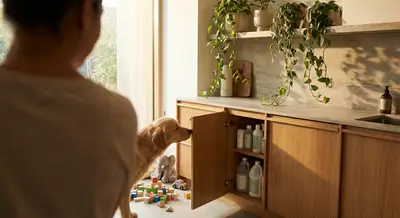
Buttons, squeakers from dog toys, LEGO bricks, and small balls can cause choking or intestinal blockages.Bones and certain chews
Cooked bones can splinter; some hard chews can crack teeth or break into sharp pieces. Rawhide can swell or get lodged in the throat or intestines.Clothing and socks
A surprising number of dogs eat socks, underwear, and washcloths. These can cause obstructions requiring surgery.
Safer play habits:
- Choose toys that are appropriately sized—too big to swallow, but easy to carry.
- Inspect toys regularly and discard anything that’s splitting, unraveling, or losing pieces.
- Store craft supplies, sewing kits, and hair ties in closed drawers.
- Supervise pets with new chews; if a piece becomes small enough to swallow, take it away.
- If your pet is a known “non-food eater,” talk to your vet about behavior strategies and consider using slow feeders or puzzle toys to redirect that urge.
Building a Safer Home: Simple Routines That Make a Big Difference
You don’t have to memorize every possible hazard. What matters most is building a few habits that keep your pet protected day after day.
Helpful routines to adopt:
“Pet-level scan” once a week
Get down to your pet’s eye level and walk through your home. Look for dangling cords, dropped pills, low plants, plastic bags, or anything chewable within reach.Family or household agreement
Make a simple house rule: no one feeds the pet anything without checking if it’s safe. Post a short list of never foods on the fridge.Emergency information on your phone and fridge
Save your vet’s number, the nearest 24/7 emergency clinic, and a pet poison hotline. In an emergency, minutes matter.Regular vet checkups
Annual or semi-annual exams give your vet a chance to spot early signs of toxic exposures (like changes in kidney or liver values) and help you review your home environment.Safe zones for your pet
Create at least one room or area that’s free of hazards—no plants, cords, or small objects—where your pet can relax when you’re busy, cooking, or hosting guests.
Conclusion
Your pet can’t read warning labels, avoid toxic plants, or know which treats are safe—that’s your job, and it’s one of the most loving responsibilities you have as their person. By taking a fresh look at your home through your pet’s eyes, you can remove many hidden hazards long before they cause harm.
You don’t need perfection; you just need awareness and a few protective habits. Each small change—moving a plant, securing a trash can, locking a cabinet—is another quiet way of saying, “You’re safe here.”
And that’s what a healthy, happy life together is all about.
Sources
- ASPCA Animal Poison Control Center – Toxic and Non-Toxic Plants List – Detailed database of plants that are safe or toxic for pets
- FDA – Pet Food Safety and Toxic People Foods – Guidance on foods and substances that pose risks to pets
- Merck Veterinary Manual – Household Hazards to Pets – Veterinary reference on common poisoning sources and symptoms
- Pet Poison Helpline – Common Household Dangers – Overview of top pet poisons frequently seen by toxicology experts
- Humane Society of the United States – Protecting Pets from Household Dangers – Practical tips for reducing toxic and physical risks in the home